Optimal Seasons for French Drain Service
French drain service is most effective when performed during specific seasons that optimize installation conditions and drainage performance. Proper timing ensures the system functions efficiently and minimizes potential disruptions.
Spring offers moderate temperatures and moisture levels, ideal for installing French drains before heavy rainfall begins.
Summer is suitable for repairs and maintenance due to dry weather, reducing soil disturbance.
Fall allows for system installation ahead of winter, preventing water accumulation during freezing temperatures.
Winter is generally unsuitable due to frozen ground and potential delays caused by snow and ice.
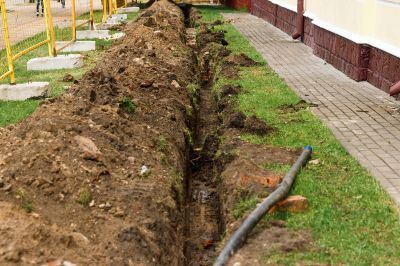
Spring is optimal for installing French drains to manage upcoming heavy rains effectively.
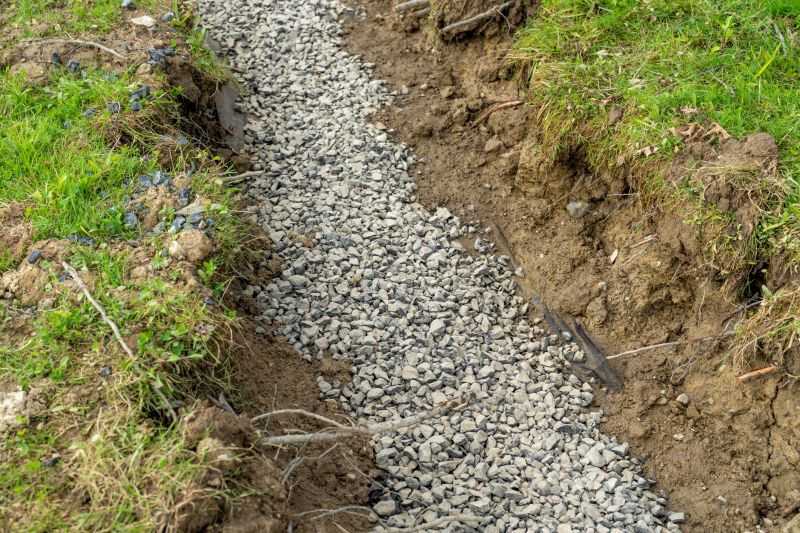
Summer allows for inspections and repairs during dry periods.
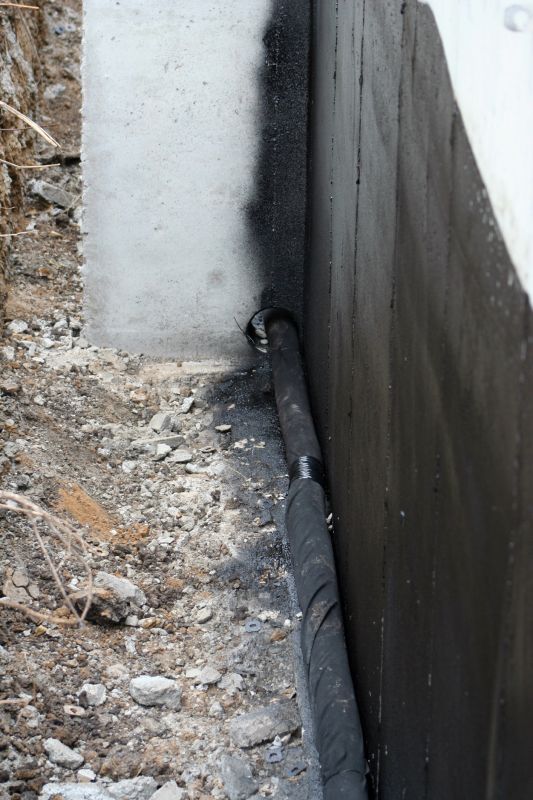
Fall is ideal for installing drains to prevent winter water damage.
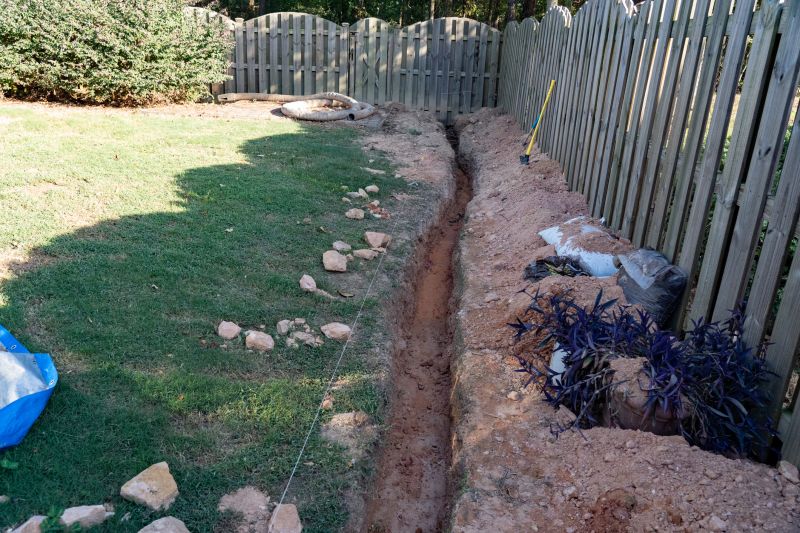
Winter poses challenges due to frozen soil and weather conditions.
| Season | Best For |
|---|---|
| Spring | Installing new French drains before heavy rains |
| Summer | Performing maintenance and repairs |
| Fall | Preparing drainage systems for winter |
| Winter | Generally not recommended due to weather constraints |
French drain service involves installing a trench filled with gravel and a perforated pipe to redirect water away from foundations and low-lying areas. Proper installation enhances drainage efficiency, reduces water pooling, and prevents damage to structures. The process includes excavation, laying the drain pipe, filling with gravel, and covering to ensure effective water flow. Proper timing of installation or maintenance can significantly impact the system’s longevity and performance.
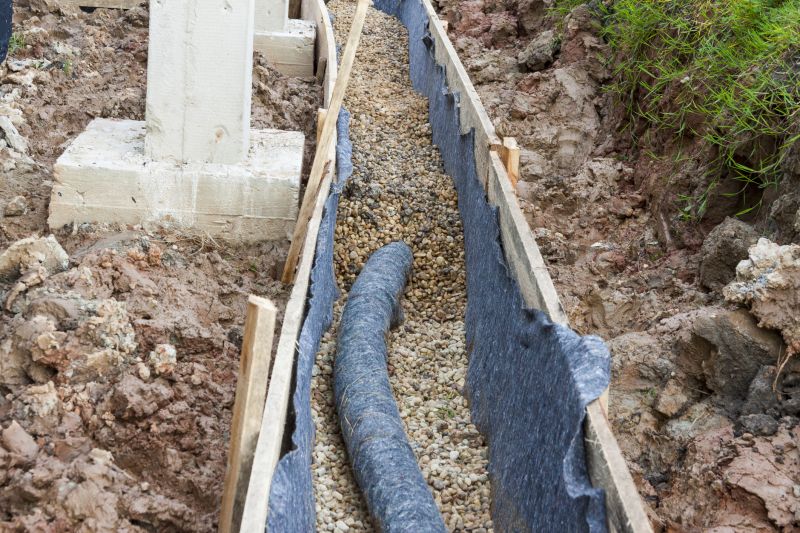
Installation involves trench excavation and pipe placement for optimal drainage.
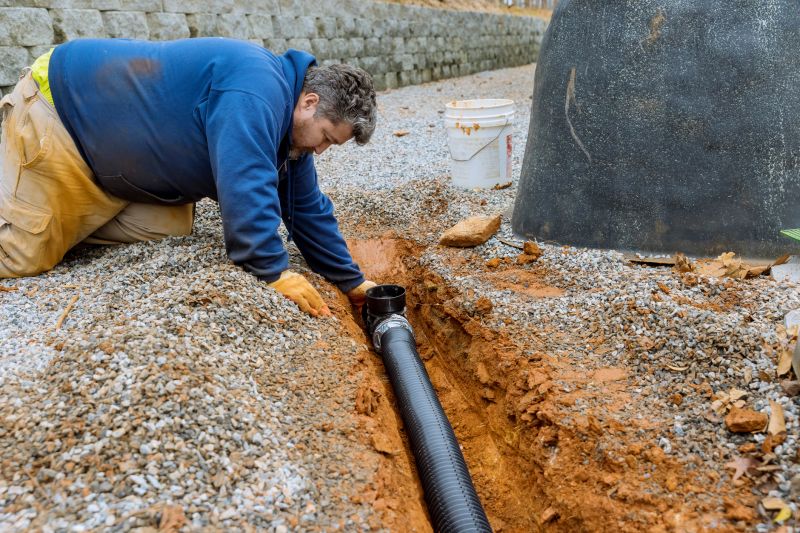
Repairs address clogs or damage to maintain efficiency.
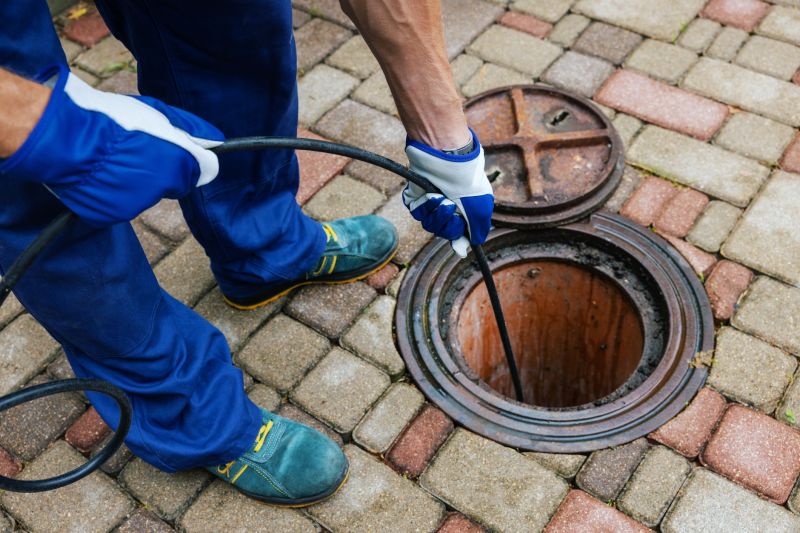
Regular maintenance ensures long-term performance.
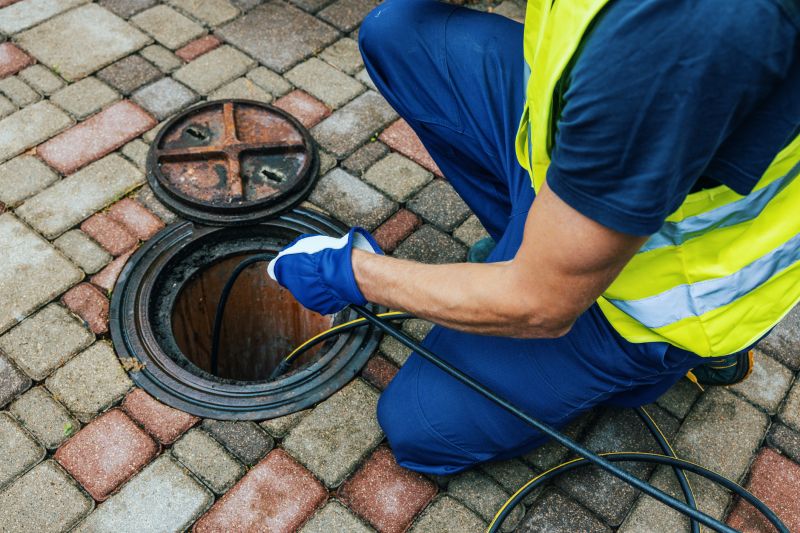
Inspection identifies potential issues before they worsen.
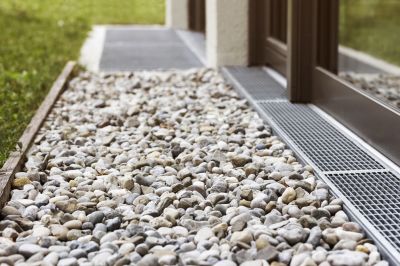
Ways to make French Drain Service work in tight or awkward layouts.
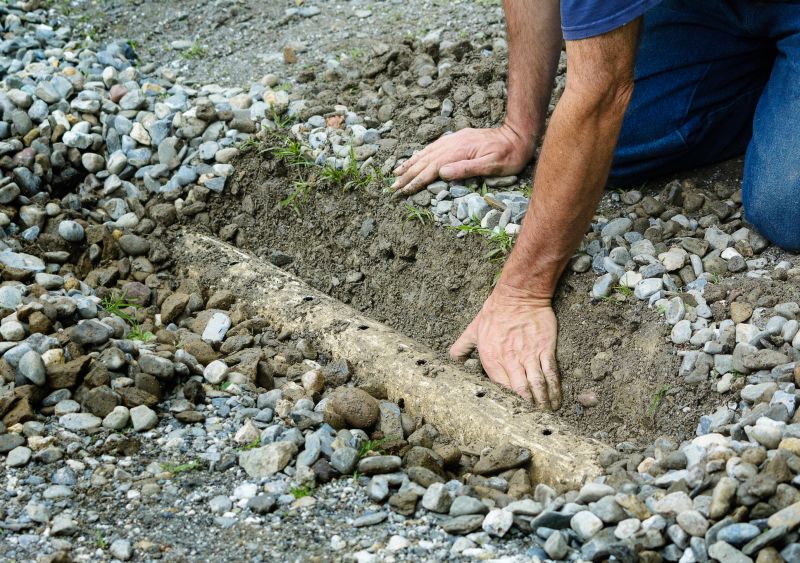
Popular materials for French Drain Service and why they hold up over time.

Simple add-ons that improve French Drain Service without blowing the budget.
Proper timing for French drain service depends on climate, soil conditions, and specific drainage needs. Scheduling during appropriate seasons ensures the system functions effectively and reduces the risk of water damage. Consulting with drainage specialists can help determine the most suitable time for installation or maintenance based on local weather patterns and site conditions.
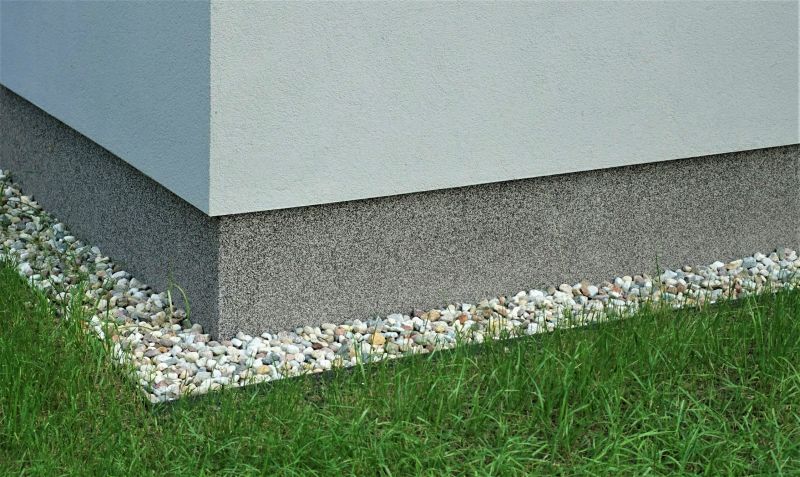
French drains effectively redirect water away from foundations.
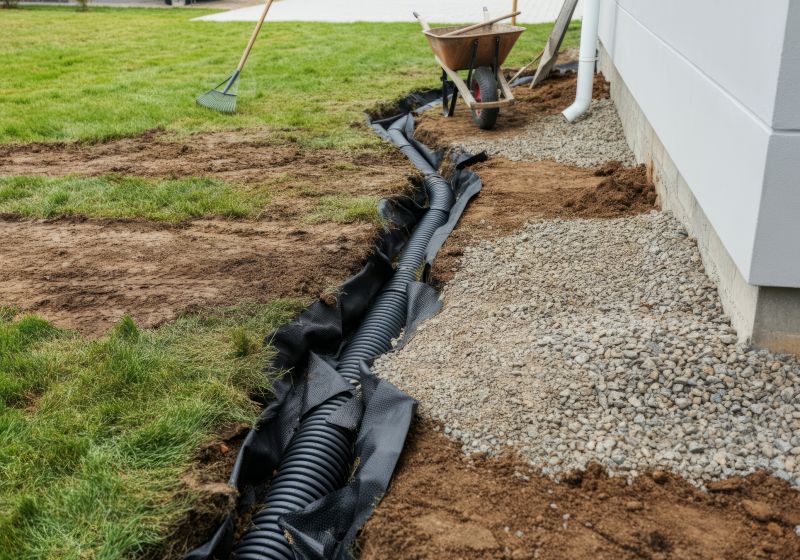
Gravel, pipe, and cover materials used in installation.
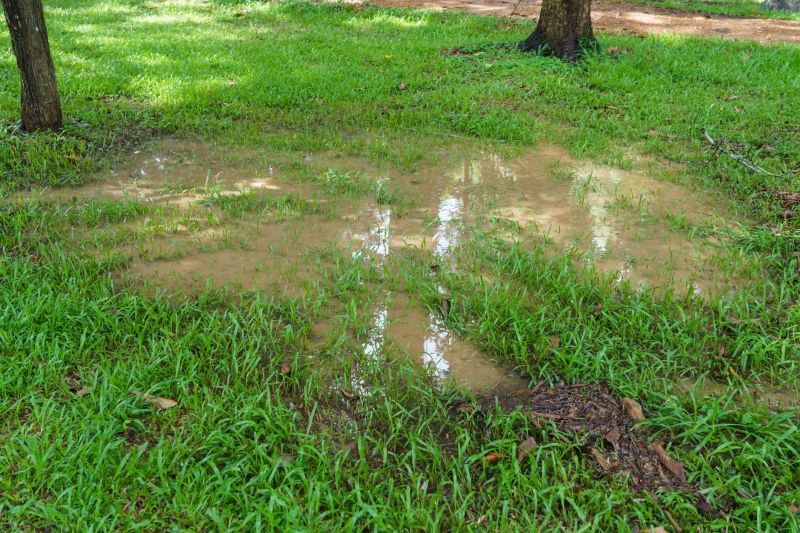
Properly installed drains improve water flow and prevent pooling.
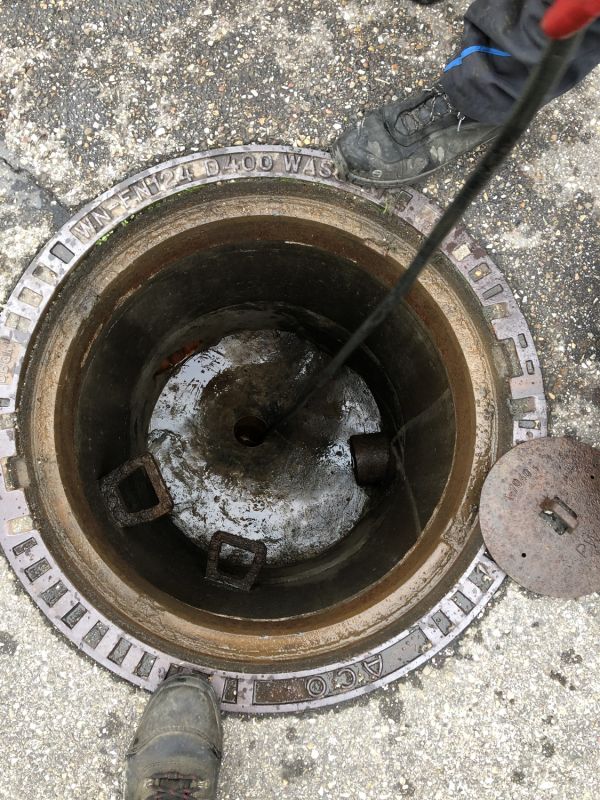
Routine checks keep the drainage system functioning properly.
Interested parties are encouraged to contact for more information or to schedule French drain service. Proper timing and installation can help prevent water-related issues and protect property structures effectively.